A milestone missed by two days can be a scheduling nuisance. A milestone documented poorly can turn into a payment dispute, a claims problem, or a costly argument about what was actually complete on site. That is why knowing how to document construction milestones matters well beyond taking a few progress photos.
On commercial and industrial projects, milestone documentation needs to stand up to scrutiny from owners, project managers, lenders, insurers, and sometimes legal teams. It has to be consistent, date-specific, and useful to people who were not physically present when the work was performed. The goal is not just to show activity. The goal is to create a reliable record of progress that supports decisions.
What construction milestone documentation should actually prove
A good milestone record should answer four basic questions. What was supposed to be complete, what was actually complete, when was it documented, and how confident can the team be in that record.
That sounds simple, but many project teams still rely on scattered phone photos, short email updates, and inconsistent superintendent notes. Those materials may help with day-to-day communication, but they often fall short when the project gets complicated. If a subcontractor requests payment for structural steel completion, for example, the documentation should show the installed scope clearly enough that another stakeholder can verify the claim without guesswork.
For that reason, milestone documentation works best when it combines visual evidence, schedule references, location context, and a repeatable collection process. The more complex the site, the more important that discipline becomes.
How to document construction milestones with a repeatable process
If you want documentation that holds up over the life of the project, treat it like an operational workflow, not an afterthought. The strongest approach starts before the first progress capture.
Define the milestone list before field collection starts
Start by deciding which milestones matter enough to document formally. On one project, that may mean site clearing, mass grading, underground utility installation, foundation completion, steel erection, dry-in, MEP rough-in, and substantial completion. On another, the key milestones may be tied to phasing, equipment installation, shutdown windows, or owner turnover packages.
The right list depends on project type and risk. A data center build has different documentation priorities than a pipeline corridor, industrial rooftop replacement, or utility substation expansion. What matters is aligning the milestone list with schedule control, pay applications, owner reporting, and any known claim-sensitive activities.
Standardize what gets captured each time
Once the milestone list is set, define the evidence required for each milestone. That usually includes overview imagery, ground-level context, date-stamped reporting, and where appropriate, orthomosaic maps or 3D site models.
This is where many teams lose consistency. One month they capture broad site overviews. The next month they only photograph the active work area. Later, someone tries to compare progress and finds the angles changed, the coverage shifted, and key areas were missed. Standard capture points and repeatable flight paths solve that problem.
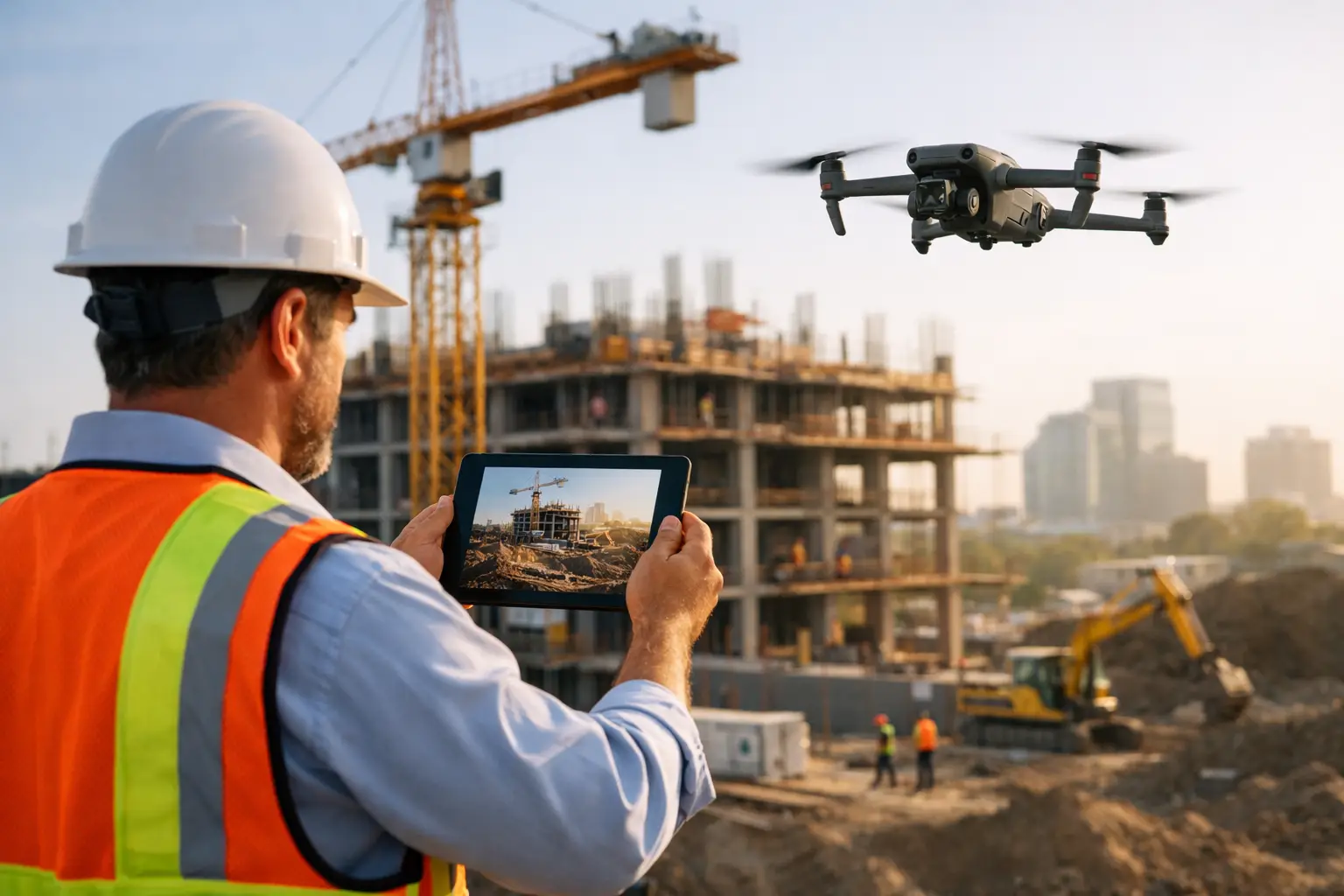
For larger commercial and industrial sites, aerial documentation is especially valuable because it creates the full-site context that handheld photos cannot. You can show not only that concrete was placed, but where it was placed relative to adjacent structures, utility corridors, laydown areas, and access routes.
Tie each milestone to a schedule reference
Photos without schedule context create room for interpretation. Every documented milestone should connect to a project schedule activity, pay item, or defined completion threshold.
That does not mean every image needs a complex annotation package. It means the report should clearly state what the team intended to verify. For example, instead of saying, “steel work progressing,” document that the milestone reviewed was completion of structural framing for Building B gridlines A through H. Specificity reduces confusion later.
The best evidence mix for milestone documentation
No single format covers every need. The strongest records combine several types of documentation, each doing a different job.
High-resolution progress imagery
Still imagery remains the backbone of milestone records because it is fast to review and easy to compare over time. The value comes from consistency. Capture the same vantage points at the same altitude or position whenever possible, and make sure the framing includes stable site references.
On vertical projects, that may include all four elevations, roof conditions, staging areas, and adjacent access points. On civil or utility work, it may mean corridor segments, trench sections, crossings, and restoration zones.
Orthomosaic mapping for area-based proof
When the question is how much of a site has actually advanced, orthomosaic maps add a level of clarity that ordinary photos cannot. They provide a current, measurable overhead view of the full project area.
This is particularly useful for earthwork progress, paving, utility trenching, stormwater features, solar field installation, industrial laydown planning, and phased site development. If a stakeholder wants to know whether work reached a specific section of the site by a certain date, a current map often answers that faster than dozens of disconnected photos.
3D models for complex sequencing
Not every project needs 3D modeling for milestone tracking, but on large or technically dense sites it can be useful for understanding staging, structural development, and spatial relationships. It is less about visual polish and more about helping teams review what changed between capture dates.
The trade-off is that 3D modeling can require more processing and may be excessive for straightforward scopes. Use it where the added context supports coordination, owner reporting, or dispute prevention.
Field notes and narrative reporting
Images show conditions. Notes explain them. A concise written narrative can clarify what was complete, what remained in progress, what access limitations existed, and whether the observed condition aligned with the expected milestone.
That written layer matters because construction status is rarely binary. A roof may be functionally dried in while edge details remain incomplete. A utility segment may be installed but not yet tested or backfilled. Good reporting captures those distinctions instead of forcing everything into complete or not complete.
Common mistakes when documenting milestones
The most common problem is inconsistency. Teams document heavily when an owner visit is coming, then capture very little during ordinary weeks. That leaves gaps exactly where disputes tend to grow.
The second problem is poor organization. If imagery, maps, superintendent notes, and reports are stored in different places with inconsistent naming, retrieval becomes slow and confidence drops. Milestone documentation should be indexed by date, area, and milestone category so it can be reviewed quickly months later.
The third issue is relying only on close-up images. Detail shots are useful, but they do not prove site-wide status. Without broad context, it becomes difficult to confirm location, extent, and sequencing.
Finally, many teams wait until there is a problem before they improve documentation. By then, the missing dates and missing views cannot be recreated.
Why drone-based workflows improve milestone records
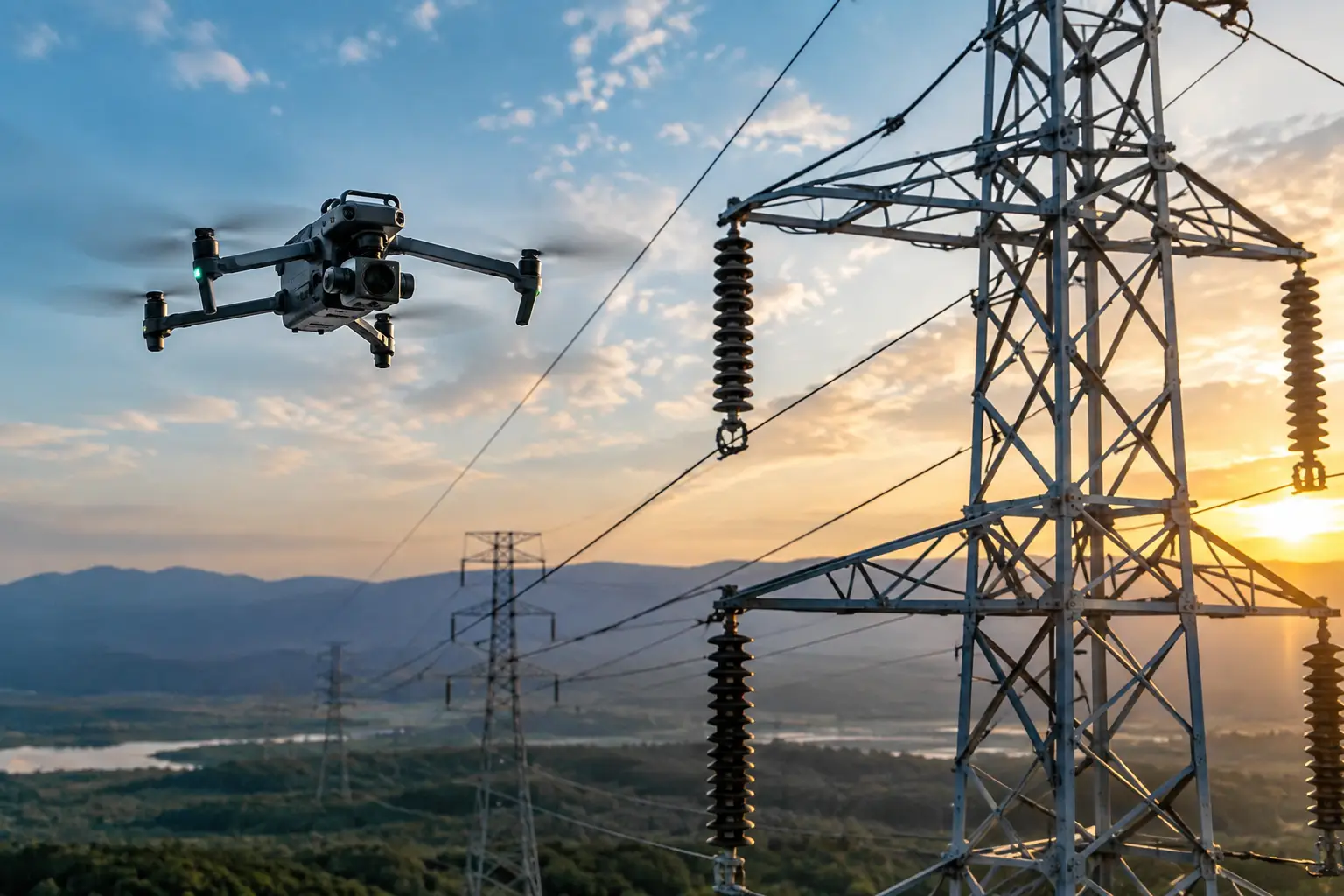
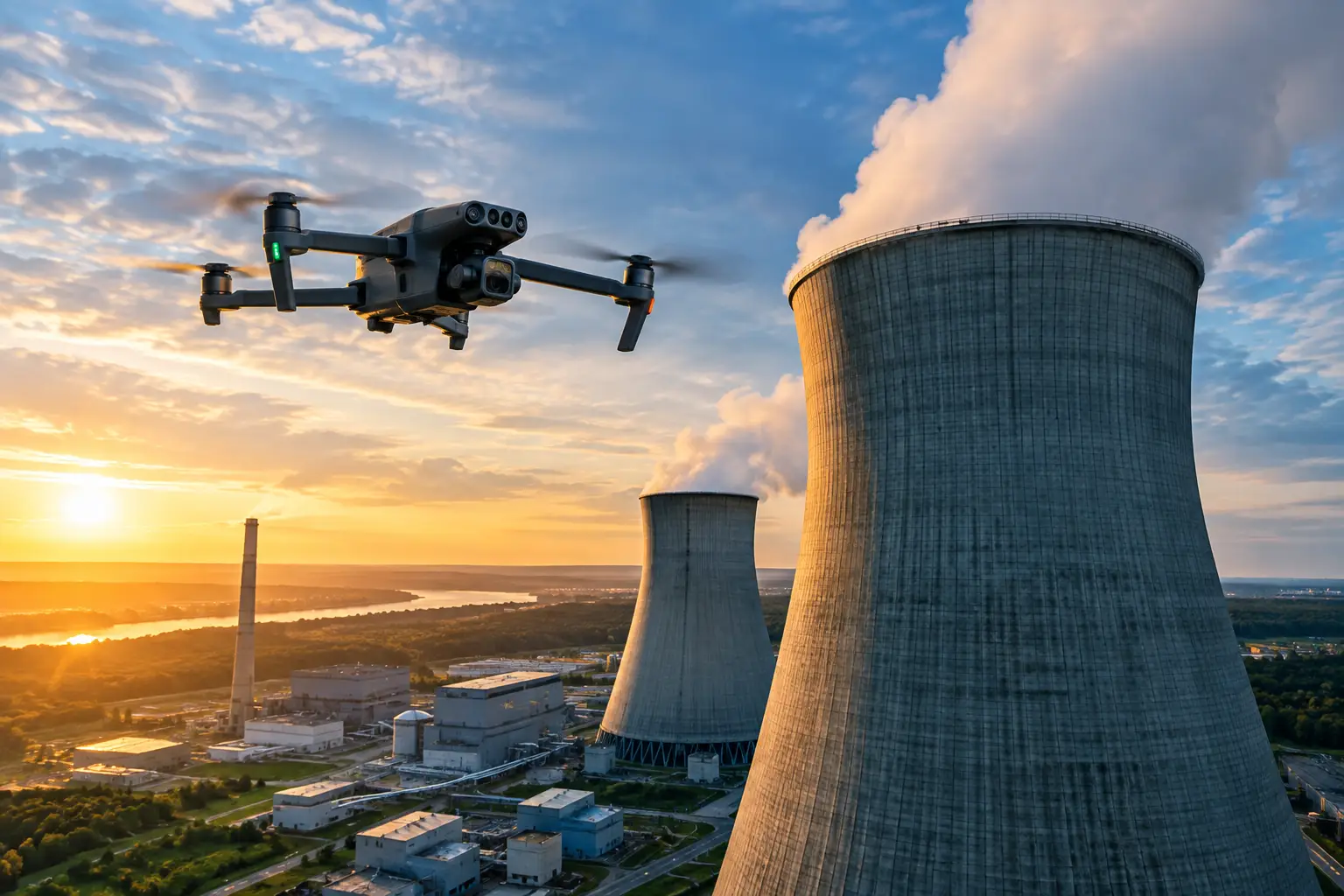
For large commercial, industrial, and infrastructure projects, drones improve milestone documentation because they make repeatable site capture practical. They can collect comprehensive visual records faster than manual walkarounds and without putting staff in unnecessary exposure areas such as elevated structures, active industrial zones, unstable terrain, or congested work fronts.
That does not mean drones replace field supervision or engineering judgment. They support those teams with accurate aerial data, current visuals, and broader site visibility. Used correctly, they reduce blind spots and shorten the time it takes to verify progress.
This is especially useful on projects with multiple work fronts, restricted access zones, or high-value assets where documentation needs to be both efficient and dependable. A disciplined drone program can produce repeatable progress imagery, orthomosaics, and visual records that fit directly into project controls, owner updates, claims support, and internal reporting.
For organizations operating in demanding environments, that consistency matters as much as the imagery itself. A field-tested provider such as Air Reel Technologies brings more than camera access. The value is in controlled operations, professional documentation standards, and deliverables that support business decisions rather than just producing footage.
How often should you document construction milestones?
It depends on project pace, risk, and stakeholder expectations. Monthly capture may be enough on slower projects with long-duration phases. Fast-moving commercial builds, shutdown-driven industrial work, and weather-sensitive scopes often need weekly or event-based documentation.
A useful rule is to increase frequency wherever progress affects billing, schedule recovery, hidden work, or claim exposure. Before excavation is backfilled, before steel is covered by enclosure systems, before energized or restricted areas change access conditions – those are moments worth documenting carefully.
The right cadence is the one that creates a trustworthy timeline without burying the team in unused files.
Build documentation for the question you will get later
Most milestone records are reviewed twice. First when the project is moving normally, and later when someone asks what happened, when it happened, and what proof exists. If your process can answer that second question clearly, your documentation is doing its job.
The strongest teams do not chase milestone records after the fact. They build a clean, repeatable documentation workflow from the start, capture each phase with context, and keep the record organized enough to use when pressure is high. That is usually the difference between a progress archive and a defensible project record.
If you are deciding how to document construction milestones on a complex site, think less about collecting more images and more about collecting the right evidence in the same disciplined way every time.