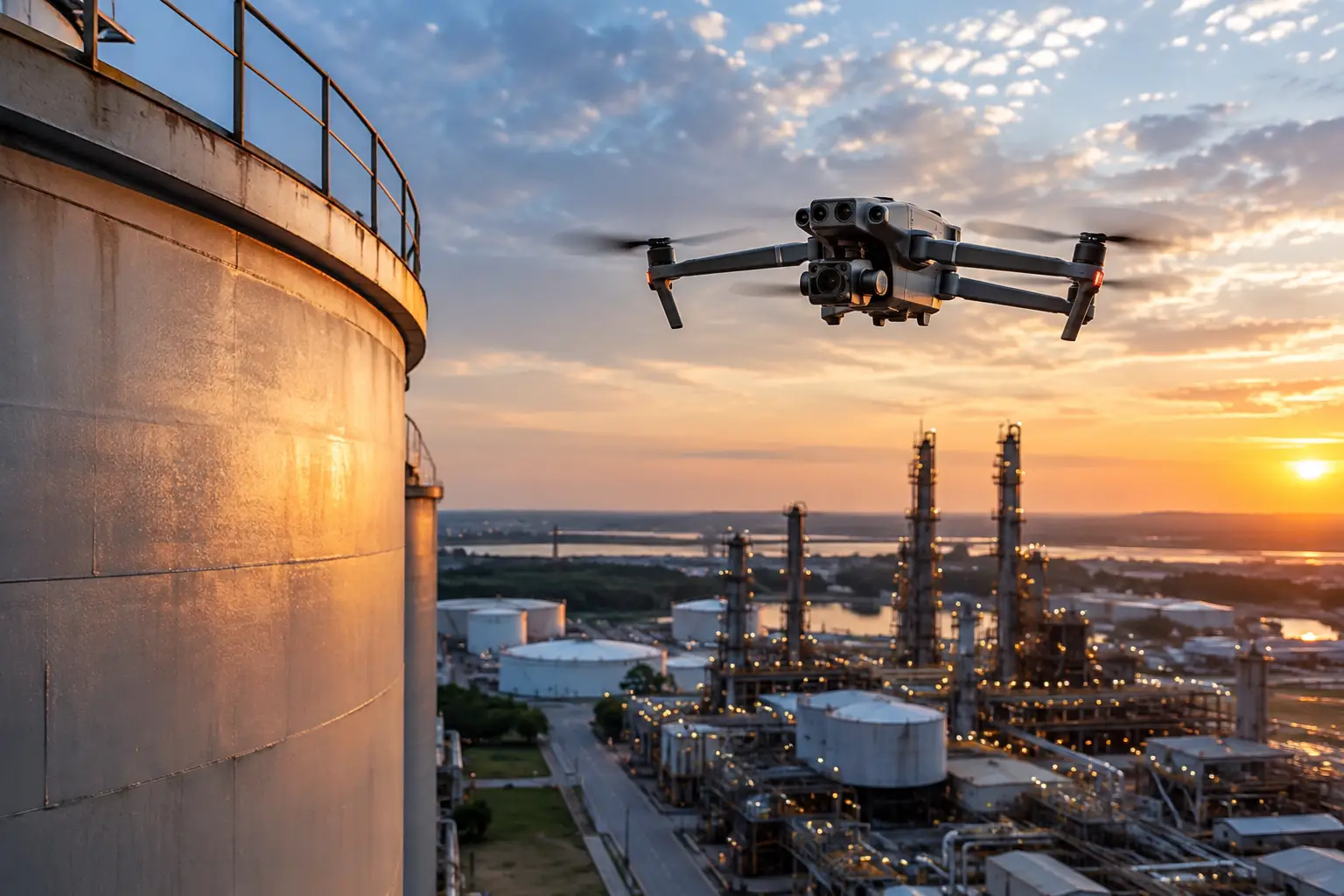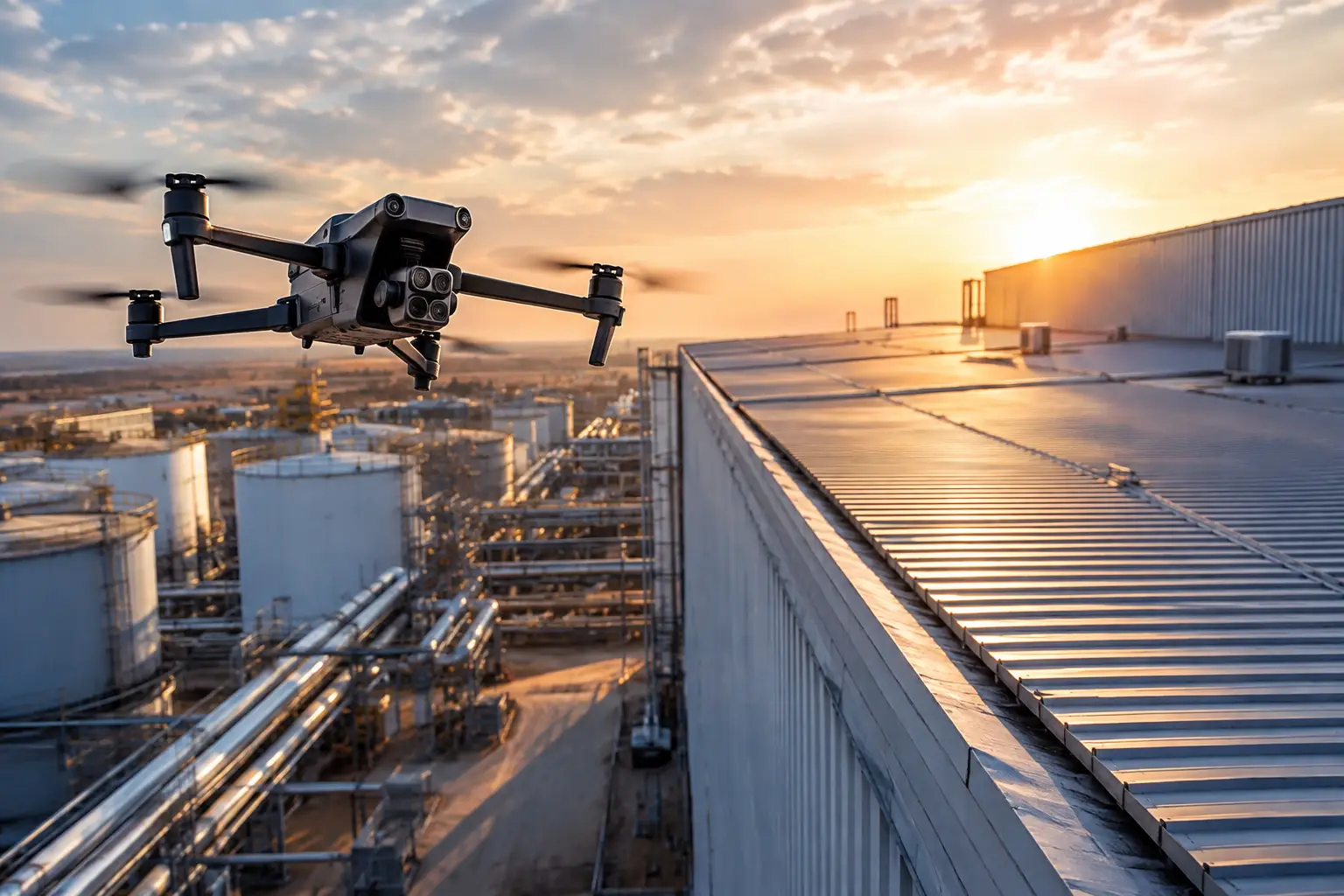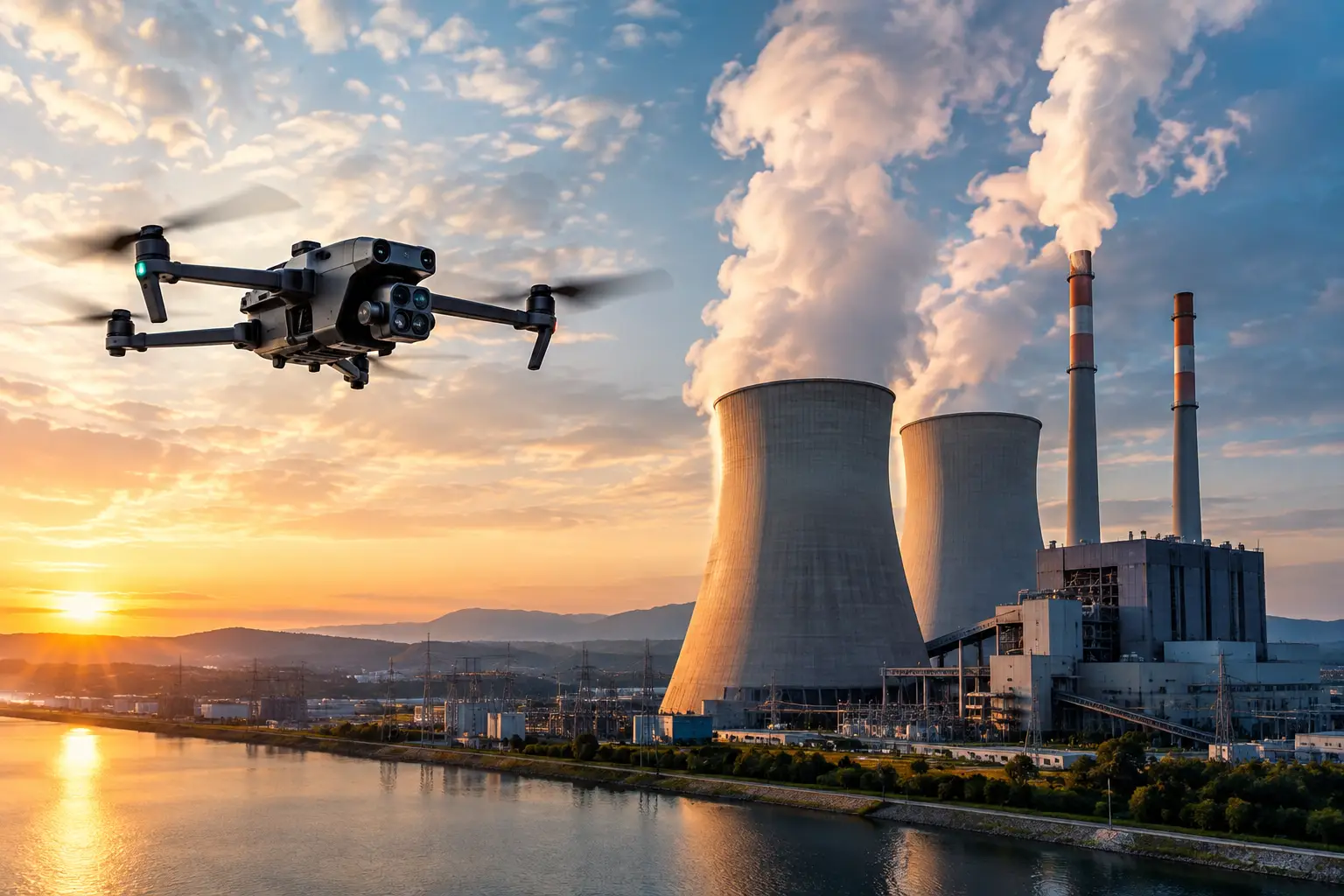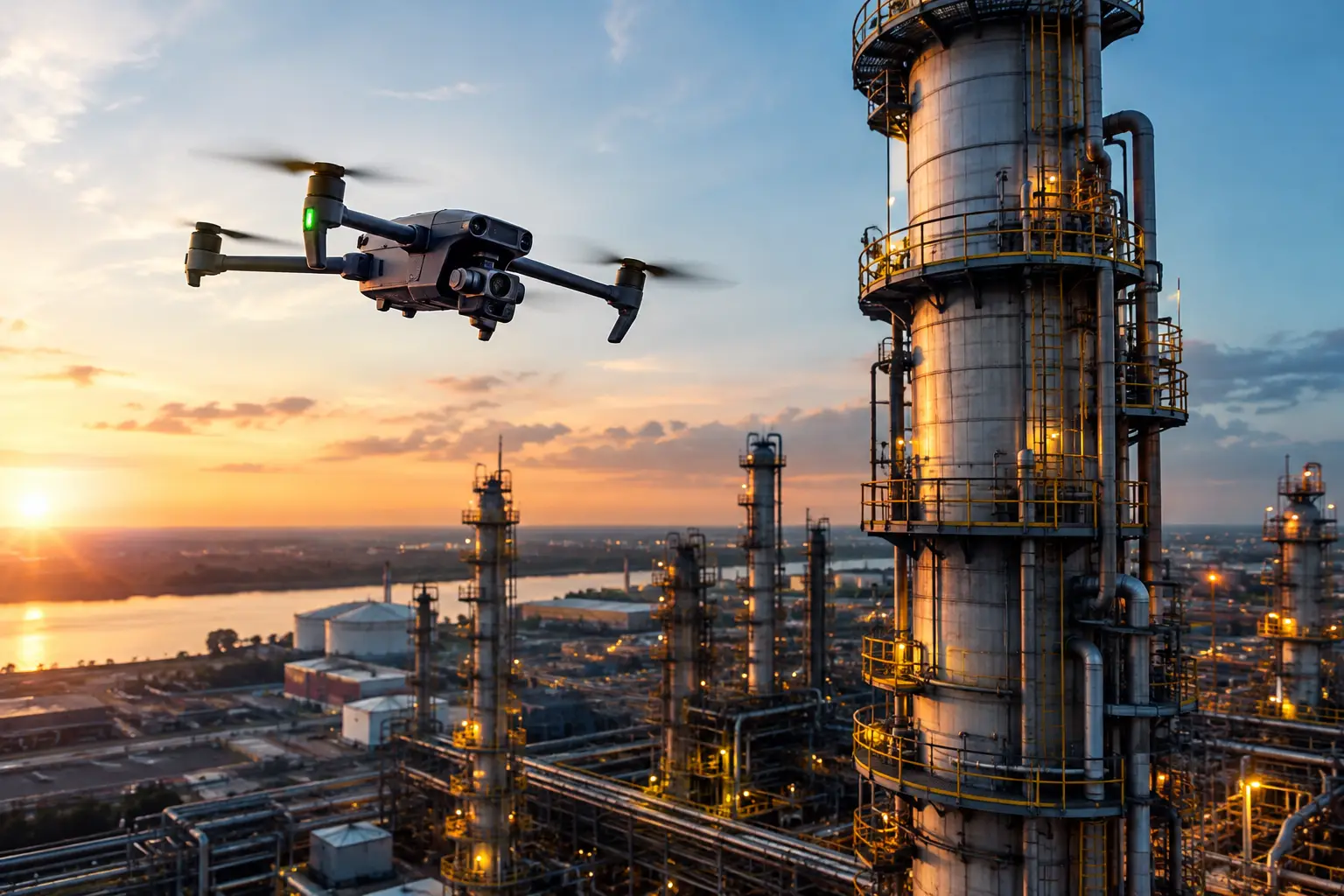
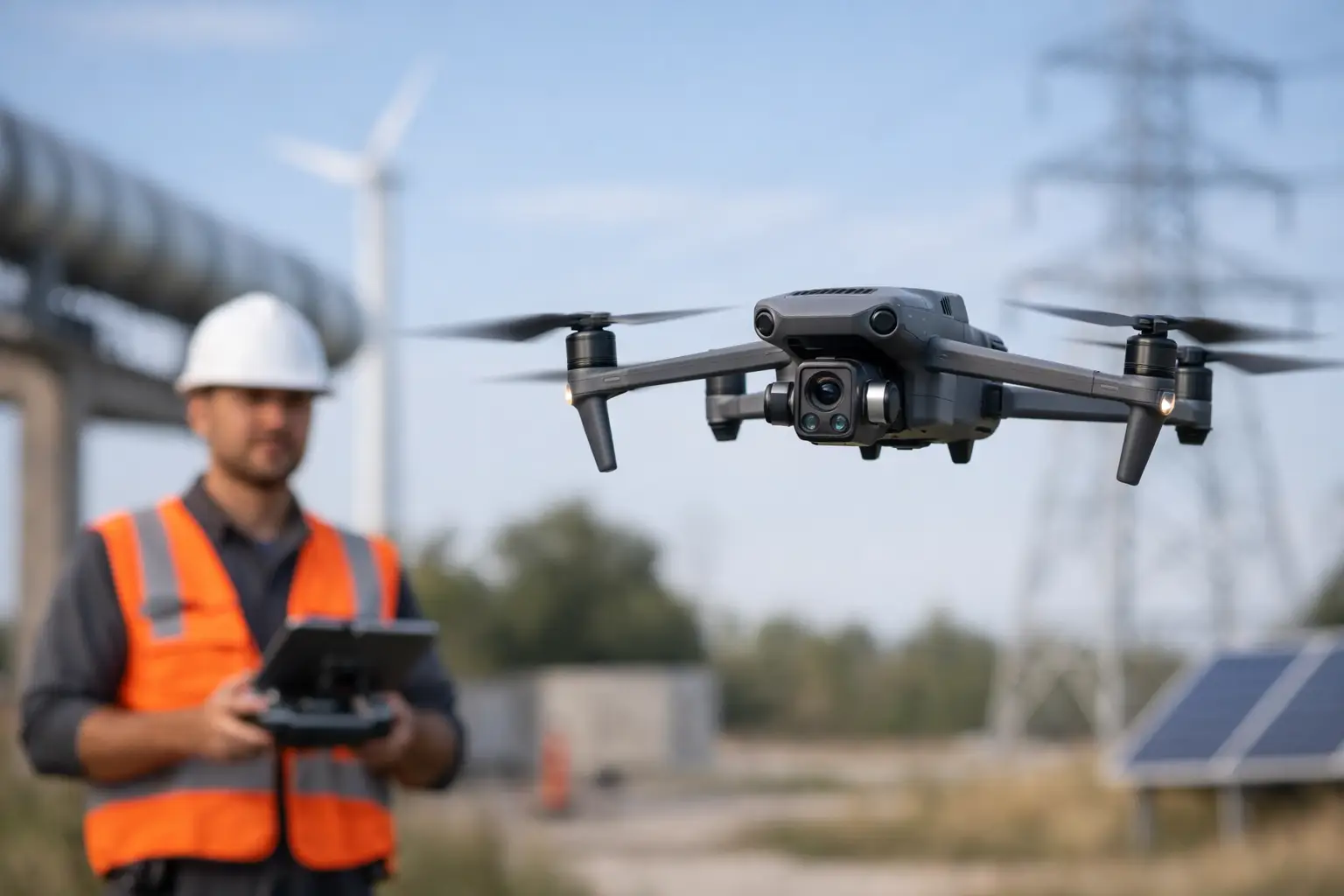
When a facility manager needs current imagery from a cooling tower, a project team needs roof documentation after a storm, or a utility contractor needs a closer view of transmission components, the value of an faa part 107 drone inspection shows up fast. The flight itself may take minutes, but the real benefit is controlled data capture without sending people into unnecessary exposure or slowing down operations more than needed.
For commercial and industrial teams, Part 107 is not a box to check. It is the baseline for legal small drone operations in the United States, and it matters because inspection work often happens around active jobsites, energized assets, difficult access points, and sensitive schedules. If your organization is hiring a drone provider for inspection support, understanding what Part 107 actually covers helps you separate professional field operations from risky shortcuts.
What FAA Part 107 Means for Drone Inspection
FAA Part 107 is the federal rule set that governs most commercial small unmanned aircraft operations. In practical terms, it establishes who can fly for business purposes, what operating limits apply, and what responsibilities come with the flight. For drone inspection work, that framework affects planning, pilot qualification, airspace review, documentation, and how the operation is conducted on site.
A remote pilot operating under Part 107 must hold the proper certification and follow the applicable operating rules. That does not mean every inspection is simple or automatically approved. It means the operation starts from a regulated foundation. For asset owners and project stakeholders, that foundation reduces uncertainty. You know the provider is working inside a recognized compliance structure rather than improvising around it.
That distinction matters most in industries where the inspection is tied to maintenance decisions, insurance documentation, progress tracking, or engineering review. Aerial data is only useful if the operation behind it is disciplined enough to produce reliable, repeatable results.
Why faa part 107 drone inspection matters on real jobs
On a real jobsite, compliance and field performance are connected. A provider that understands faa part 107 drone inspection requirements is usually better prepared in other areas too, including pre-mission planning, site coordination, risk awareness, and communication with the client team.
Consider a substation perimeter review, a telecom tower assessment, or an industrial roof inspection. These environments are not just difficult to access. They carry operational constraints, safety considerations, and often tight windows for site access. A qualified drone operation can reduce the need for lifts, ladders, scaffolding, rope access, or repeated manual walkdowns in early assessment phases. That saves time, but more importantly, it can reduce exposure while still giving stakeholders current visual documentation.
There is a trade-off, though. Drone inspection support is not a substitute for every hands-on inspection method. Some findings still require physical verification, direct testing, or licensed engineering judgment. The right use of drones is to improve visibility, accelerate documentation, and help teams make better decisions about where to send people next.
What Part 107 does and does not guarantee
Part 107 tells you the operator is working within the FAA’s commercial small UAS framework. It does not, by itself, tell you the provider has industrial inspection experience, proper insurance, strong safety processes, or the ability to work around complex assets.
That is where many buyers make the wrong assumption. A certified remote pilot may be legally eligible to fly, but inspection work on construction sites, energy facilities, industrial rooftops, and critical infrastructure calls for more than passing a knowledge test. The provider also needs operational discipline, equipment suited to the task, and a clear plan for capturing useful deliverables.
A drone company can be Part 107 certified and still be a poor fit for a serious inspection assignment. If your asset is high value, difficult to access, or tied to safety and operational continuity, you need a field-ready partner, not just a legal operator.
What a professional drone inspection workflow looks like
A strong inspection workflow starts before the aircraft ever leaves the ground. The provider should define the scope clearly, understand what the client needs to see, and confirm the intended output. Sometimes that is high-resolution imagery for visual review. In other cases it may include thermal data, orthomosaic mapping, 3D modeling, or structured documentation that supports maintenance, engineering, claims, or progress reporting.
Preflight planning usually includes site conditions, airspace review, weather assessment, operational boundaries, and coordination with the client representative. On a construction site, that may involve timing around equipment activity and trades. At an industrial facility, it may require tighter communication on access points, exclusion zones, and asset-specific concerns. For catastrophe response or post-loss documentation, speed matters, but so does control.
During the flight, the goal is not just to get dramatic angles. The goal is to capture clean, usable data with enough consistency to support evaluation. That may mean repeatable passes along a roof surface, close visual imaging of structural elements, thermal review of target areas, or broad site coverage for map-based documentation. The pilot has to manage aircraft position, camera settings, obstacle awareness, and the limits of the operating environment at the same time.
After the mission, the value shifts to organization and delivery. If the files are incomplete, poorly labeled, or disconnected from the client workflow, the inspection loses momentum. Professional inspection support means the deliverables are usable, timely, and aligned with the decision that needs to be made.
Common use cases for FAA Part 107 drone inspection
Commercial and industrial drone inspection is useful because it adapts to different asset types without forcing the same method onto every site. A construction team may need recurring progress documentation and roof condition imagery. A utility contractor may need visual support for poles, lines, or substation components. A facility manager may need current imagery from an industrial stack, cooling tower exterior, or difficult rooftop mechanical area.
Insurance teams often use drone inspection support after storms, equipment events, or property losses when fast documentation is critical. Engineering and maintenance groups may use it to get a current view of hard-to-reach areas before deciding whether rope access, shutdown planning, or specialty crews are needed. In each case, the drone is supporting a business process, not just collecting footage.
The strongest use cases are the ones where access is difficult, risk is elevated, or documentation needs to move quickly across multiple stakeholders.
Questions to ask before hiring a provider
If you are evaluating a drone company, ask how they approach compliance, but do not stop there. Ask whether they carry professional insurance coverage and whether they have experience around active commercial or industrial environments. Ask what kind of deliverables they provide and how those deliverables support inspection, maintenance, engineering, or claims workflows.
It is also reasonable to ask how they handle site coordination, safety boundaries, and project communication. A provider working around power infrastructure, telecom assets, large construction sites, or industrial facilities should sound methodical. They should be able to explain how they prepare, how they adapt to site conditions, and where the limits of drone-collected data are.
If the answers are vague, heavily sales-driven, or focused mostly on camera quality, that is a warning sign. Inspection support is an operational service. The aircraft matters, but the field process matters more.
Choosing the right level of drone inspection support
Not every assignment needs the same depth. Some jobs call for a quick visual documentation flight. Others need thermal overlays, mapped site context, repeatable capture points, or formatted reporting that can move directly into a project file or insurance claim package. The right scope depends on what decision the imagery is supposed to support.
For example, a storm-related roof inspection may prioritize speed and broad documentation first, then targeted follow-up if issues are identified. A recurring construction inspection may focus more on consistency over time. A complex industrial asset may require closer coordination, tighter flight planning, and a more deliberate capture sequence.
That is why experienced providers spend time clarifying the mission before quoting the work. Good inspection support is not about flying more. It is about collecting the right data with the least disruption and the lowest practical risk.
For organizations managing high-value assets, faa part 107 drone inspection is the starting point, not the finish line. The real advantage comes from pairing regulatory compliance with disciplined field execution, useful documentation, and a clear understanding of how aerial data supports operations. When those pieces are in place, drone inspection becomes more than a faster way to look at hard-to-reach areas. It becomes a practical tool for making better decisions under real-world conditions.