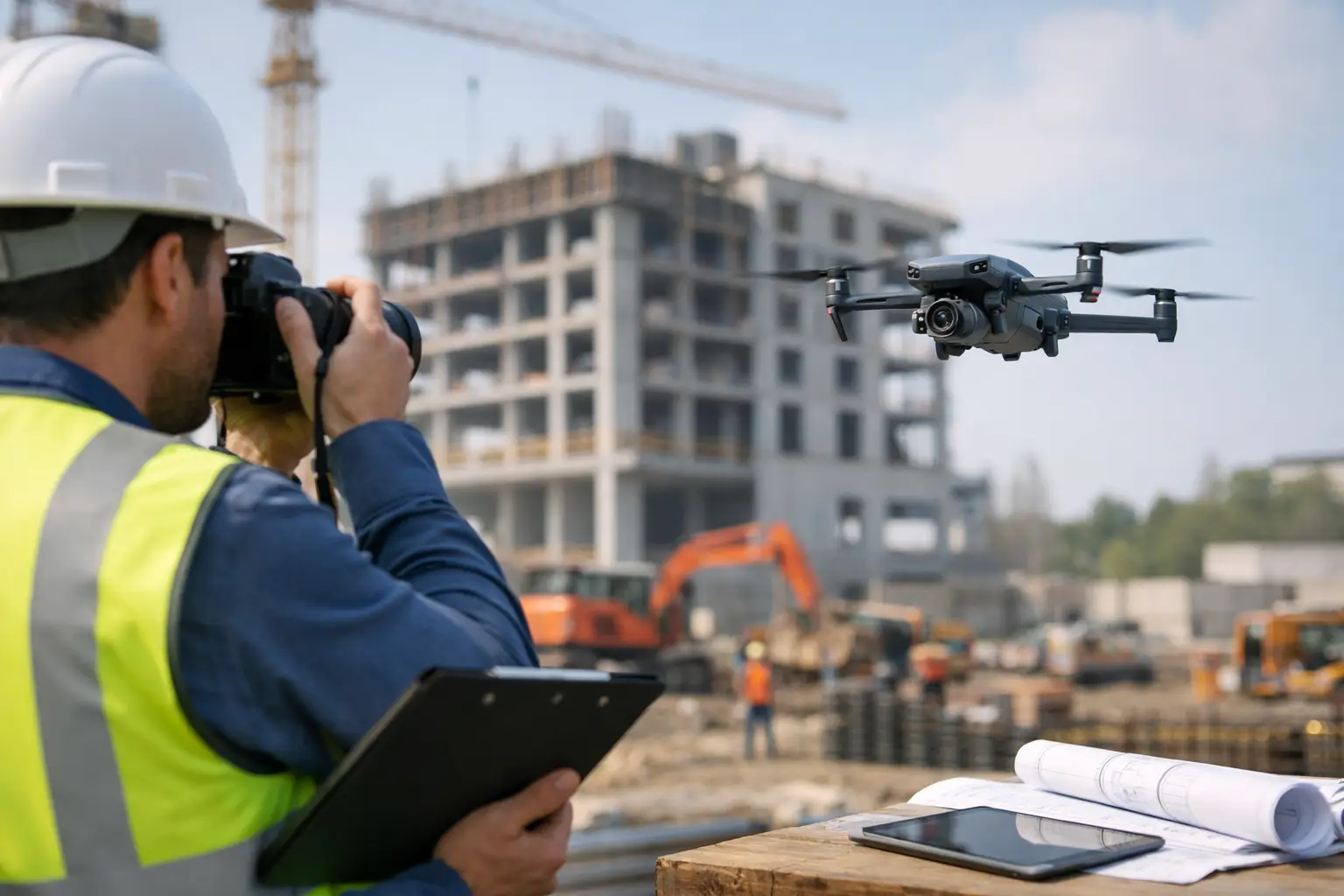
A missed concrete pour, an undocumented delivery delay, or a disputed change order can cost far more than the time it takes to document a site properly. A strong construction site documentation guide is not about creating more paperwork. It is about building a record you can trust when schedules slip, questions surface, or stakeholders need proof of what actually happened.
On commercial and industrial projects, documentation has to do more than check a box. It needs to support project management, quality control, risk reduction, billing, coordination, and claims. If the record is incomplete, inconsistent, or hard to retrieve, the team ends up relying on memory. That is where avoidable disputes and expensive rework tend to start.
What good construction site documentation needs to do
The best site documentation creates a usable timeline of the project. It shows progress, captures conditions, records decisions, and preserves evidence when site conditions change. For a superintendent, that may mean proving trade sequencing and field conditions on a specific date. For an owner or lender, it may mean confirming progress before a draw request. For an insurance or legal team, it may mean establishing what existed before an incident or weather event.
That is why documentation should be treated as an operational system, not an admin task. The standard is not simply whether records exist. The standard is whether the records are clear, dated, organized, and credible enough to support a decision later.
There is also a practical trade-off. Too little documentation creates exposure. Too much low-value documentation creates noise and wastes time. The goal is not to capture everything. The goal is to capture the right information, consistently, in a format the team can use.
The core records every project should maintain
Most projects already produce daily reports, photos, RFIs, submittals, meeting notes, and schedule updates. The problem is usually not the lack of documents. It is fragmentation. One set lives in email, another on a phone, another in a project platform, and another with a field lead. When the record is scattered, important context gets lost.
A reliable documentation system usually includes daily site reports, weather records, labor and equipment logs, material delivery records, inspection and testing notes, safety observations, issue tracking, progress photos, and plan-marked field changes. Depending on the project, it may also include drone-captured orthomosaic maps, roof or facade imagery, volumetric tracking, and recurring aerial overviews that show site-wide progress more clearly than ground photos alone.
Each record serves a different purpose. Daily logs establish activity and conditions. Photos show visible status. Meeting notes capture direction. Testing and inspection reports support quality workflows. Aerial data adds broader context, especially on large sites where ground-level documentation can miss access roads, laydown areas, drainage changes, utility corridors, roofing progress, and overall sequencing.
How to build a documentation workflow that holds up
A construction site documentation guide only works if responsibilities are clear. Someone needs ownership. On many projects, field documentation is shared between the superintendent, project engineer, safety lead, quality team, and trade partners. That is workable, but only if the process is standardized.
Start with frequency. Decide what must be documented daily, weekly, after major milestones, and after unexpected events. Daily records usually cover manpower, work performed, weather, equipment, delays, visitors, and notable issues. Weekly documentation often works better for broader progress photography, schedule comparison, and owner-facing reporting. Milestone-based documentation should be tied to pours, underground work before cover-up, structural completion, facade installation, MEP rough-in, roofing, and turnover phases.
Then define the capture standard. Photos should be dated, location-specific, and taken from repeatable viewpoints when possible. Notes should identify who observed the condition, what was seen, and why it matters. File names and folders should follow a naming convention that a new team member could understand without explanation.
This is where many teams fall short. They collect documentation, but not in a consistent way. If one person labels files by date, another by building area, and another by subcontractor, retrieval becomes slow when time matters most.
Ground photos are necessary, but not always enough
Field photos taken from phones and tablets are useful because they are fast and close to the work. They are often the best way to document punch items, embedded elements, installation details, or localized damage. But they have limits on large or complex sites.
Ground-based photos rarely show the full relationship between trades, staging areas, traffic flow, drainage, stockpiles, crane access, or overall building envelope status. They can also become inconsistent over time because they depend on where each person happened to be standing that day.
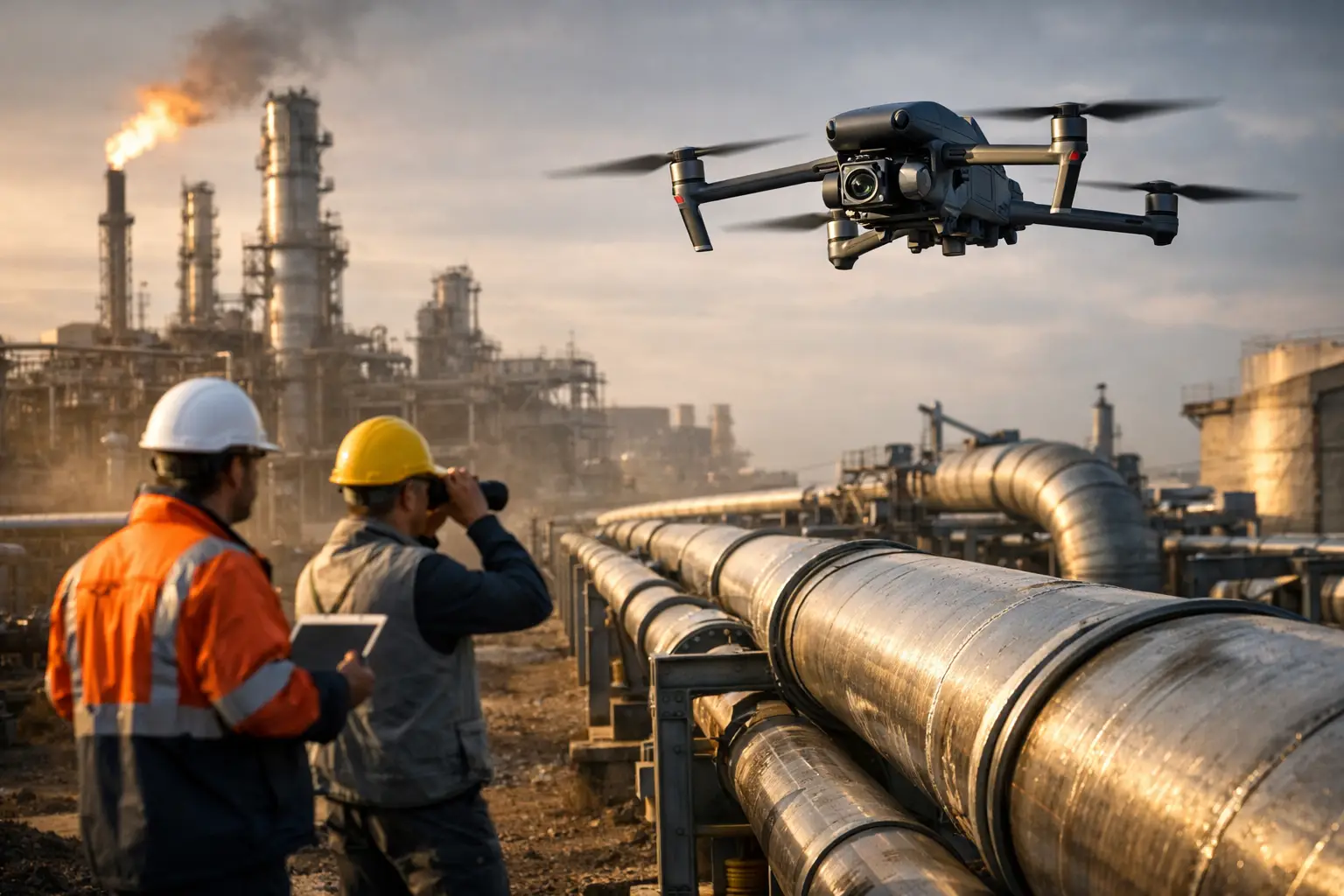
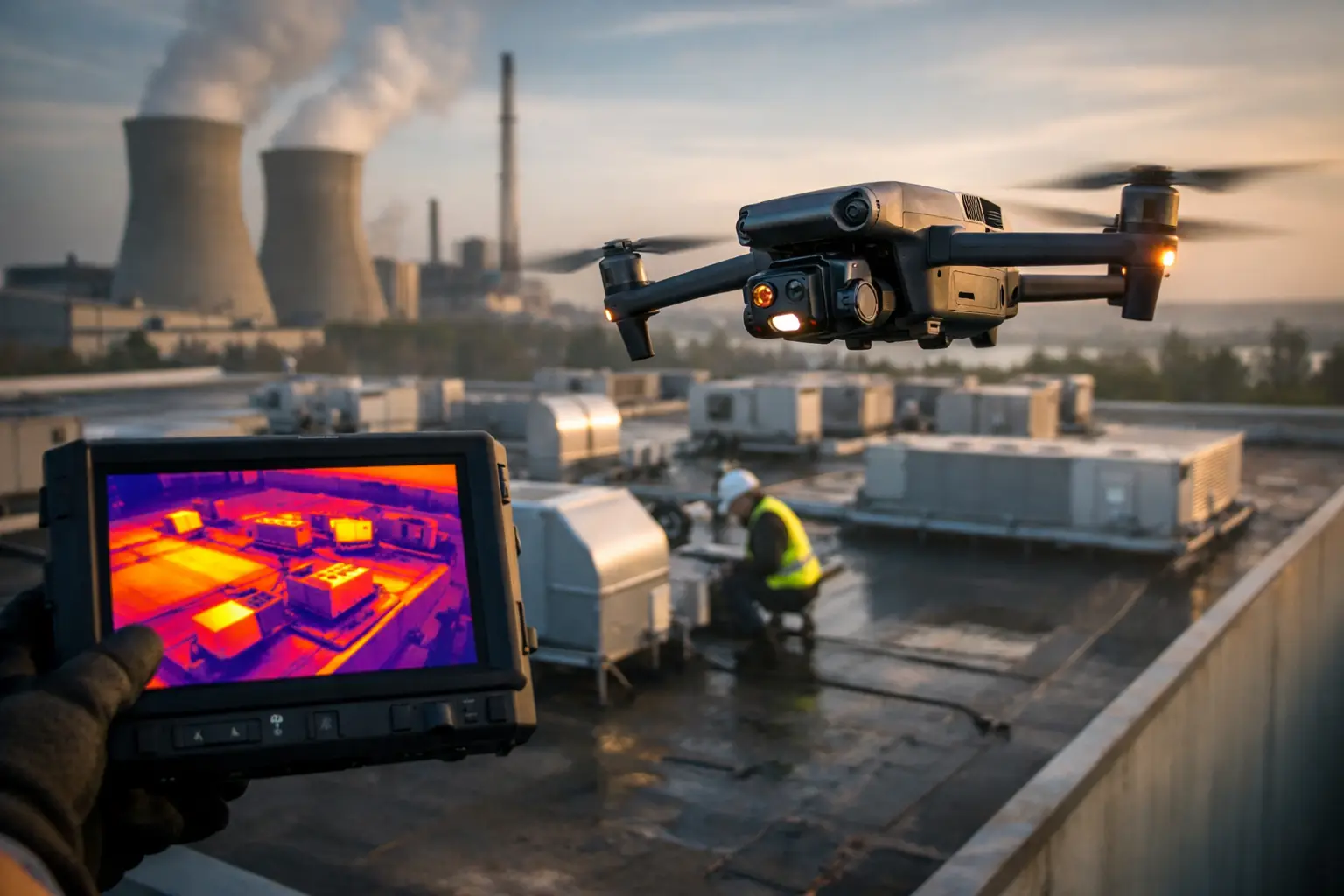
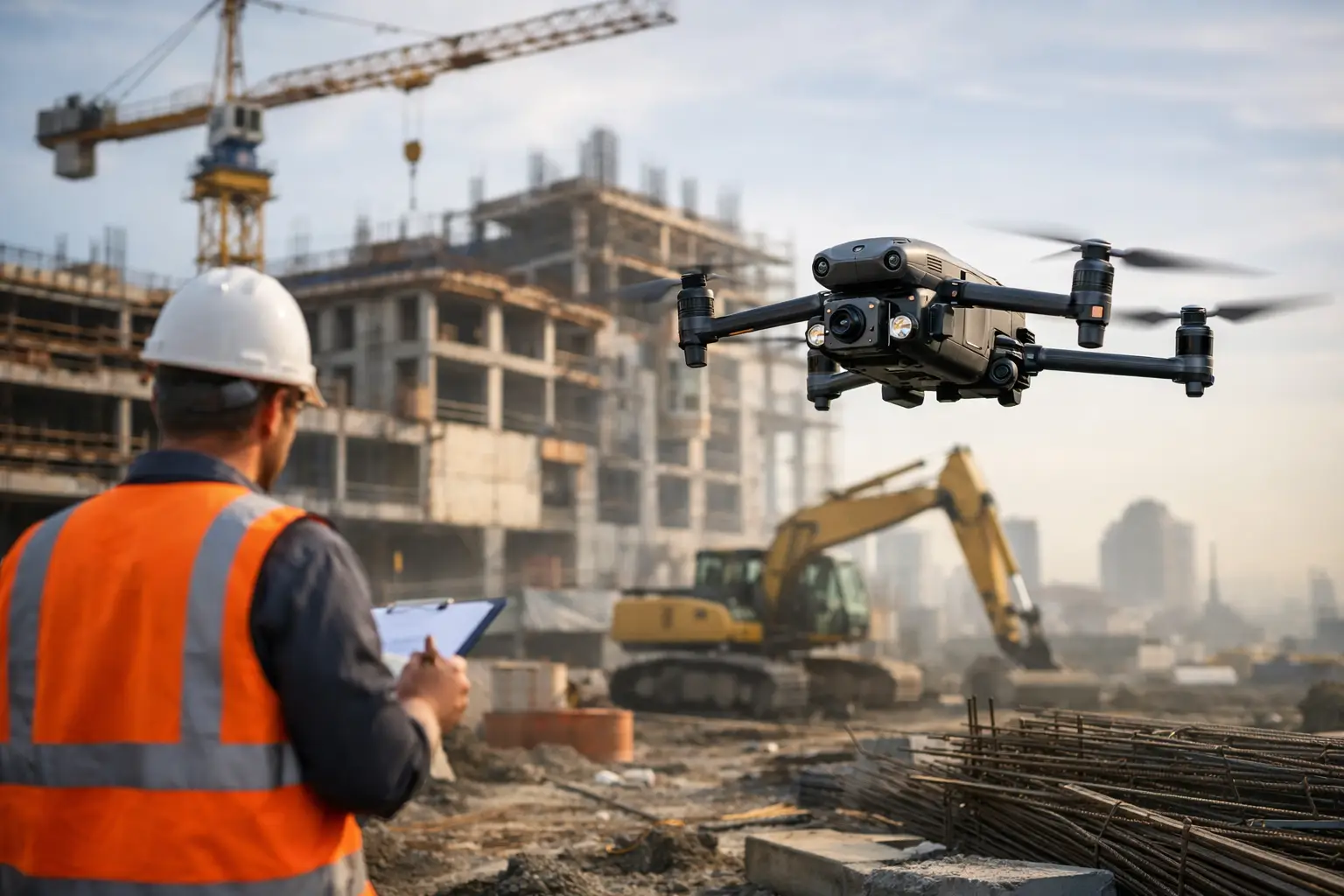
That is where aerial documentation becomes valuable. Recurring drone capture can provide repeatable overhead and oblique views that show broad site conditions with far less ambiguity. Orthomosaic mapping can help teams track grading, paving, utility routing, and site development over time. High-resolution imagery can support facade, roof, and exterior progress documentation without putting personnel in unnecessary exposure areas.
It depends on the project. A compact interior renovation may not need recurring aerial mapping. A multi-acre commercial build, industrial facility expansion, utility corridor project, or large distribution site often benefits significantly from it because site-wide context matters every week, not just at turnover.
Where documentation fails most often
The weak points are usually predictable. Documentation gets skipped during busy periods. Photos are captured without context. Teams document normal progress but fail to document disruptions, pre-existing conditions, weather impacts, restricted access, or work that will soon be concealed.
Another common issue is failing to document negative space. In other words, what could not happen and why. If a crew was blocked by another trade, if an area was inaccessible, or if weather materially affected progress, the record should state that clearly. Later, those facts can matter as much as visible work completed.
Timing also matters. Documentation created long after the fact is less persuasive than records created in real time. That does not mean every note has to be perfect. It means the team should capture facts while they are fresh and preserve original imagery and metadata wherever possible.
Using drone-based documentation the right way
Drone documentation is most useful when it is planned, repeatable, and tied to project decisions. It should not be treated as a one-off media exercise. For construction teams, the value comes from measurable deliverables such as progress imagery, dated aerial overviews, orthomosaic maps, site condition records, roof and facade documentation, and visual support for owner updates or claims files.
A professional drone workflow also helps reduce risk. Certain viewpoints can be captured without sending personnel onto active roofs, near unstable edges, or into difficult access zones just to take reference photos. That does not replace safety procedures or technical inspections, but it can support them with clearer visual records.
For organizations managing larger or higher-stakes assets, disciplined field execution matters. FAA Part 107 compliance, insurance coverage, flight planning, site coordination, and controlled deliverables are not extras. They are part of whether the documentation will be taken seriously. That is one reason many commercial and industrial teams use field-ready providers such as Air Reel Technologies when the site, asset value, or reporting requirements leave little room for guesswork.
A practical construction site documentation guide for project teams
If you want documentation to improve project outcomes, keep the system simple enough to survive real site conditions. Standardize daily logs. Set repeat photo points. Capture milestone documentation before work is concealed. Record delays and constraints when they happen. Store files in one agreed location. Use aerial documentation when site-wide visibility, progress verification, or difficult access makes it worthwhile.
Just as important, review the record periodically instead of waiting for a dispute. Ask whether someone outside the core team could understand what happened on the project using the files alone. If the answer is no, the system needs adjustment.
What better documentation changes
Good documentation does not eliminate every disagreement, and it will not fix poor planning. What it does is reduce uncertainty. It gives owners better visibility, helps project teams communicate with more precision, and creates a stronger factual record when cost, schedule, quality, or safety questions arise.
On a modern construction site, that record should combine field notes, ground photography, and when appropriate, repeatable aerial data. The right mix depends on project size, complexity, risk exposure, and reporting needs. But the principle stays the same: document the work in a way that will still make sense months later, when the people in the room remember the issue differently.
That is usually the moment when disciplined documentation stops feeling administrative and starts proving its value.