A breaker that looks normal in daylight can still be running hot. A flat roof can appear intact after a storm but hold trapped moisture below the surface. That is where the question matters: what does thermal imaging detect, and what can it realistically tell a commercial or industrial team before a minor issue becomes a larger operational problem?
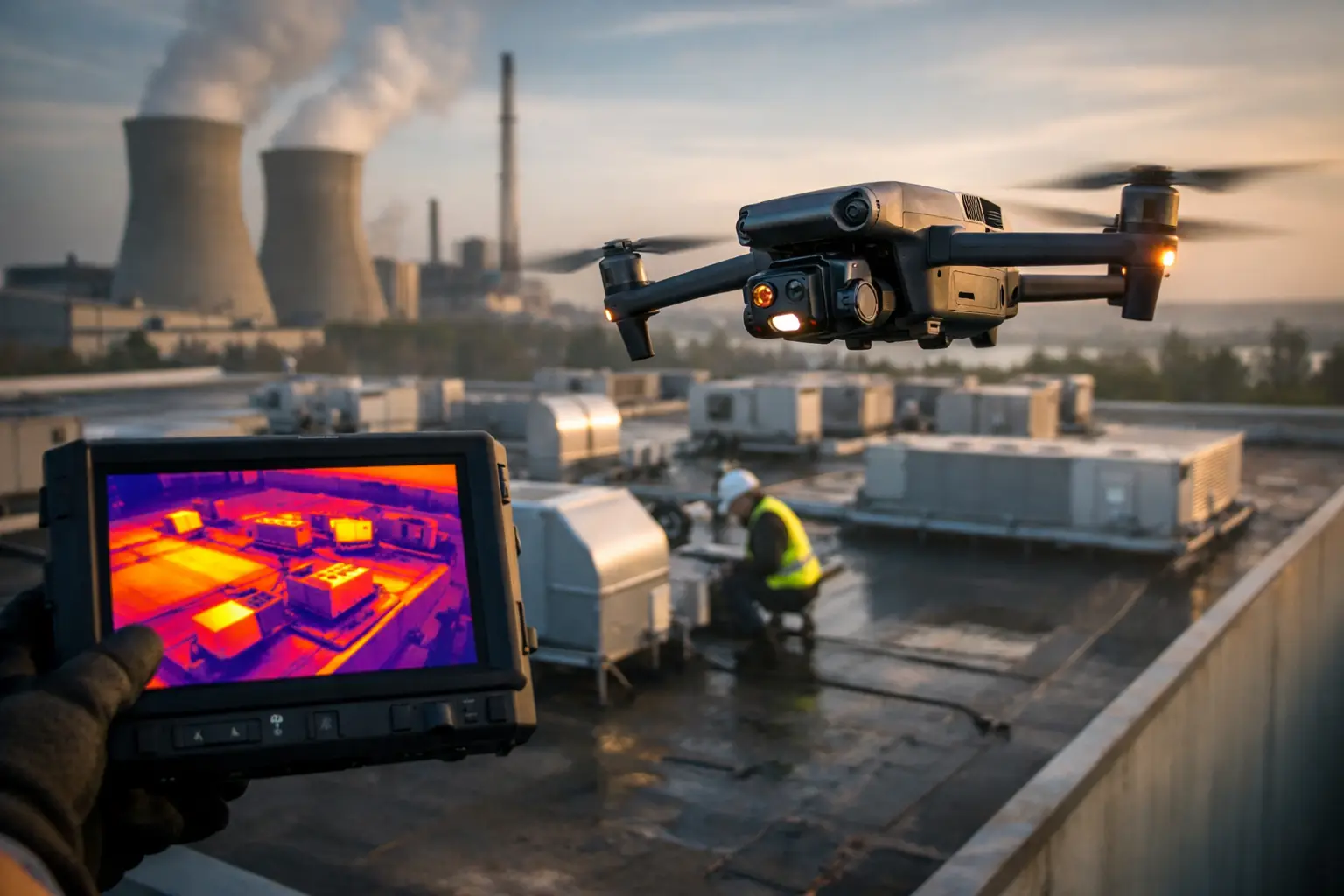
Thermal imaging detects differences in surface temperature. Instead of capturing visible detail the way a standard camera does, it records heat patterns and displays them as an image that helps teams spot anomalies. In the field, that can mean identifying overheated electrical components, heat loss across building envelopes, moisture-related temperature changes in roofing systems, equipment operating outside its normal thermal range, or sections of infrastructure that warrant closer inspection.
For construction, utility, facility, and insurance professionals, the value is straightforward. Thermal data helps narrow attention to the areas most likely to need maintenance, engineering review, repair planning, or additional documentation. It does not diagnose every problem on its own, and it does not replace a licensed specialist. What it does well is reveal thermal signatures that are hard to see with the naked eye.
What does thermal imaging detect in practical terms?
At a practical level, thermal imaging detects temperature variation across a surface or asset. That sounds simple, but on a commercial site, those variations can point to very different conditions depending on the asset, weather, load, and operating state.
On an electrical system, a hotspot may suggest excessive resistance, an unbalanced load, a loose connection, or a component under stress. On a roof, cooler or warmer areas may indicate trapped moisture or insulation irregularities. On a building exterior, temperature contrast can reveal missing insulation, air leakage, or heat intrusion. On process equipment, thermal differences can help show whether a system is running evenly or if one section is working harder than it should.
This is why context matters. The camera detects heat differences, not the root cause. Interpreting those differences correctly depends on the type of asset, environmental conditions, and the operating baseline for that system.
Electrical systems and power components
One of the clearest commercial uses for thermal imaging is electrical inspection support. Switchgear, panels, disconnects, transformers, substations, and related components can develop abnormal heat before there is visible damage. A thermal scan helps teams identify those elevated temperatures early enough to plan maintenance instead of reacting after a failure.
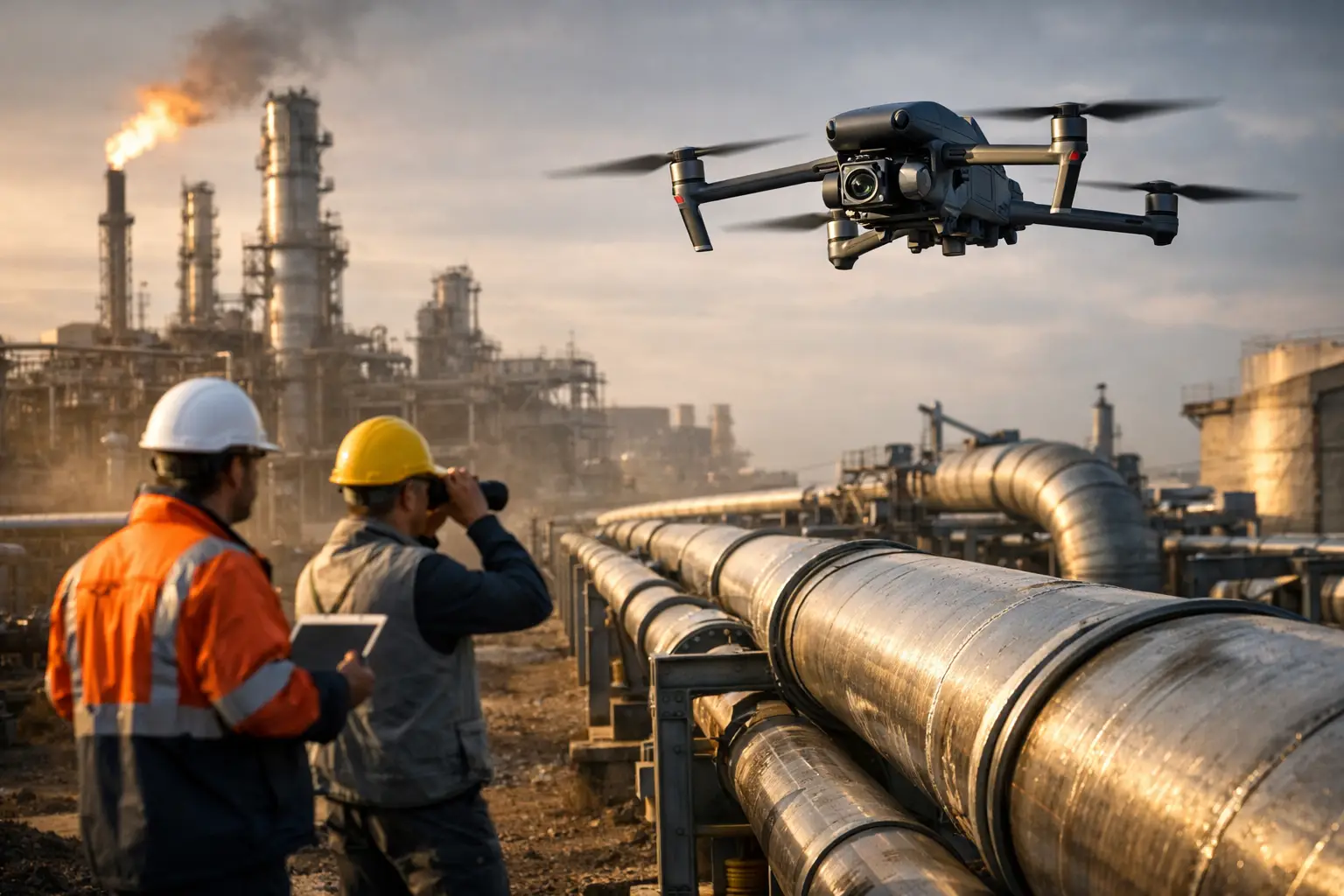
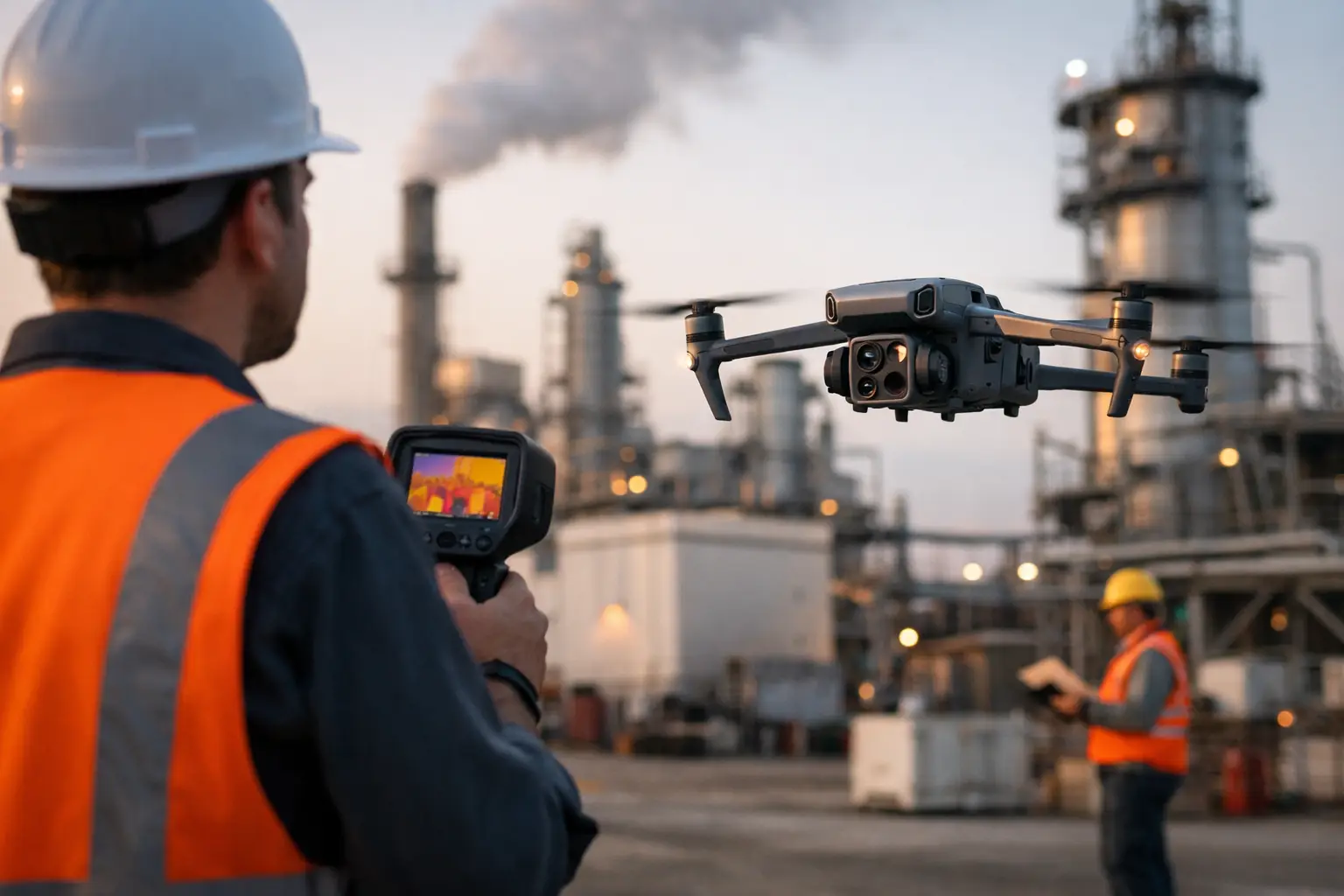
In industrial and utility environments, this can be especially useful because many assets are difficult to access safely from the ground. Drone-based thermal imaging can support visual intelligence collection around larger sites, elevated equipment, or wide distribution areas while reducing the need for some manual access in hazardous or time-consuming environments.
That said, electrical thermal work is highly condition-dependent. Load levels matter. Ambient temperature matters. Reflections and emissivity can affect what the camera sees. A warm component is not automatically a failed component, and a cooler image does not guarantee that everything is fine. Thermal findings are best treated as inspection support data that helps maintenance and engineering teams prioritize next steps.
What thermal anomalies can suggest
On electrical assets, thermal imaging may reveal hotspots, uneven phase temperatures, overloaded components, deteriorating connections, or abnormal heating patterns between similar parts. Those findings can support preventive maintenance planning and help document conditions over time.
Roof systems, moisture, and building envelopes
Flat and low-slope commercial roofs are another common application. After weather exposure or over time, moisture can become trapped beneath roofing materials. Thermal imaging may detect temperature differences caused by wet insulation or water-retaining areas, especially when survey timing and site conditions are favorable.
The timing piece is not minor. Roof moisture surveys are often most useful when there is enough thermal contrast between wet and dry areas. If conditions are wrong, the image may be less conclusive. That is one reason experienced field planning matters as much as the camera itself.
For facility managers and property stakeholders, thermal imagery can support repair planning, maintenance budgeting, and insurance documentation. It can help narrow where to investigate further instead of treating an entire roof as one unknown surface.
Thermal imaging can also support building envelope review. Temperature anomalies along walls, joints, windows, doors, and roof transitions may suggest insulation gaps, air leakage, or moisture-related issues. On large commercial buildings, distribution centers, and industrial facilities, aerial collection can make broad-area review much faster than relying only on selective manual checks.
Mechanical equipment and industrial operations
Thermal imaging is also valuable around mechanical and process equipment. Motors, pumps, bearings, conveyors, exhaust systems, boilers, and production components often generate recognizable thermal patterns during normal operation. When those patterns change, it may indicate friction, imbalance, restricted flow, insulation breakdown, or uneven performance.
For plant and facility teams, this matters because a thermal anomaly often shows up before obvious failure. If one motor housing is operating significantly hotter than comparable units under similar load, that is useful information. If a section of insulated piping has a temperature pattern that does not match the rest of the run, that may justify closer review.
Again, this is support data, not a standalone diagnosis. The most useful thermal work happens when imagery is captured consistently, documented clearly, and compared against known operating expectations.
Construction, quality control, and project documentation
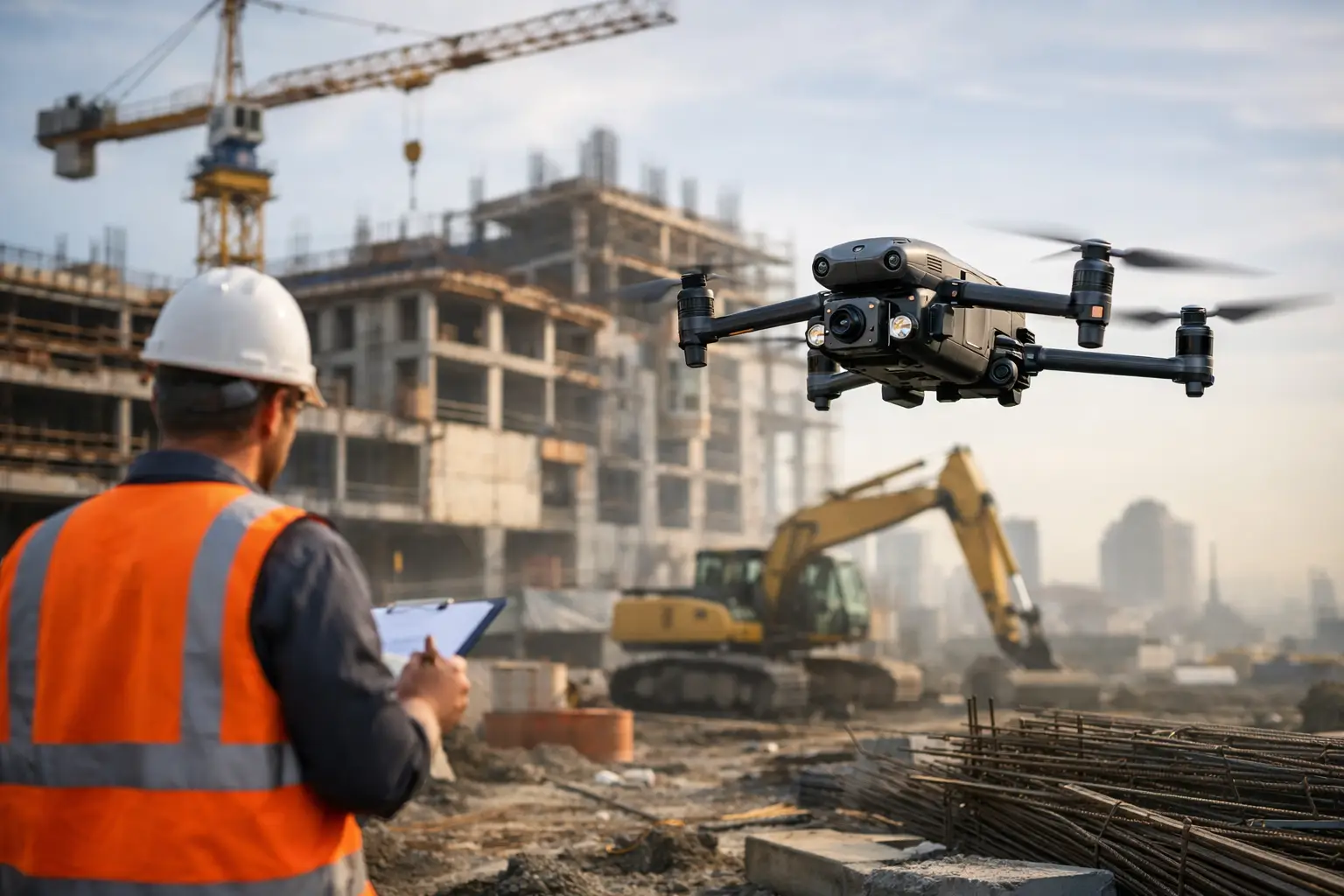
On active construction sites, thermal imaging can support quality control and progress documentation when teams need more than standard aerial photos. It may help identify insulation inconsistencies, moisture intrusion concerns, HVAC performance issues, or temperature-related irregularities in completed sections of a building envelope.
This can be useful during handoff periods, post-weather evaluations, and targeted site reviews where owners, contractors, or consultants need visual evidence tied to a specific area. It is not a substitute for commissioning, destructive testing, or engineering review. It is a way to gather organized visual data that helps teams focus their effort where conditions appear abnormal.
For large projects, especially where access equipment or repeated manual walkthroughs create delays, aerial thermal collection can speed up site review while keeping documentation consistent across phases.
What thermal imaging does not detect on its own
A common mistake is assuming thermal imaging sees through walls, diagnoses exact failures, or confirms structural safety. It does not.
Thermal cameras detect surface temperature patterns. They do not literally see through solid materials. They also cannot independently confirm why a temperature anomaly exists. A hotspot might come from electrical resistance, solar loading, reflective surfaces, recent equipment use, moisture, or changing weather conditions. Without context, the image can be misleading.
That is why thermal imaging should be treated as part of a disciplined inspection workflow. It is most effective when paired with visual imagery, site knowledge, asset history, operating conditions, and follow-up review by the appropriate maintenance, engineering, roofing, or insurance professionals.
Why drone deployment changes the value of thermal data
The question is not only what does thermal imaging detect. It is also how efficiently that data can be collected across large, elevated, or high-risk assets.
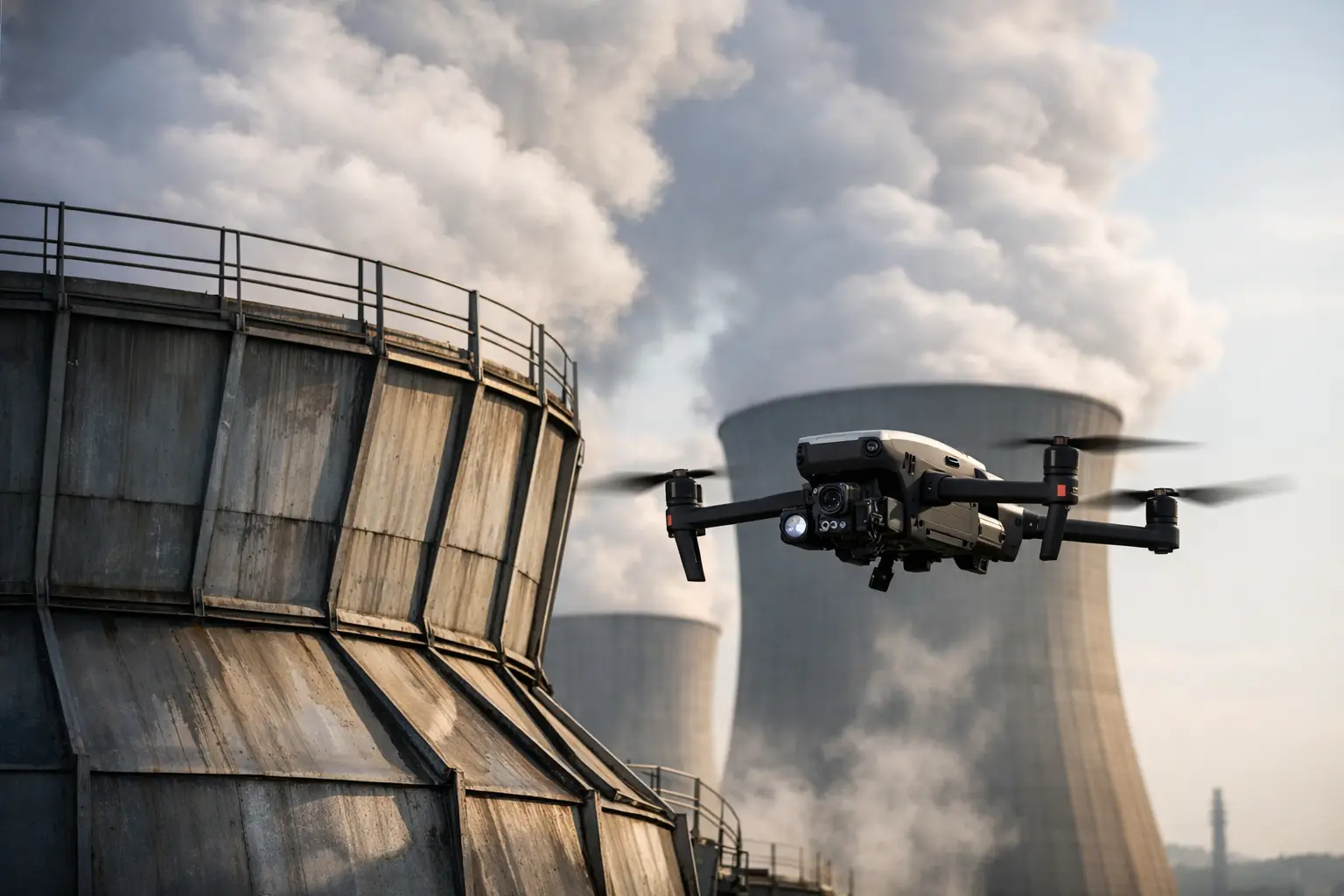
On industrial rooftops, transmission corridors, cell towers, substations, cooling structures, and broad commercial facilities, drone deployment can improve speed and coverage while reducing unnecessary manual exposure. That matters when teams are working under outage windows, tight construction schedules, storm response conditions, or access limitations.
A disciplined drone operation also improves documentation. Thermal imagery tied to exact viewpoints and supported by high-resolution visual captures gives stakeholders a clearer record of observed conditions. For insurers, facility teams, and project managers, that can make reporting, maintenance planning, and claims support more efficient.
For organizations operating in Georgia, Alabama, South Carolina, and Tennessee, that can be especially relevant after severe weather events, when large properties and infrastructure assets need fast, organized condition documentation without wasting time on broad manual scouting.
Interpreting the data correctly
Thermal imaging is powerful, but only when expectations are realistic. The best results come from asking the right question before the flight or scan begins. Are you looking for probable roof moisture? Electrical hotspots? Envelope heat loss? Equipment imbalance? Storm-related anomalies? Each objective affects timing, method, and interpretation.
It also helps to know what a normal thermal pattern should look like for that asset. Without a baseline, a temperature difference may be interesting but not actionable. With a baseline, it becomes a useful indicator.
For commercial and industrial organizations, the real advantage is not the image itself. It is the ability to identify exceptions faster, reduce guesswork, and direct the right people to the right area with documented visual evidence.
Thermal imaging is most valuable when it helps a team make a better next decision. On a mission-critical site, that is often the difference between routine maintenance and an avoidable disruption.