When a drone team is flying above an active jobsite, a power asset, or a storm-damaged facility, insurance is not a side detail. It is part of risk control. Hiring an insured drone service provider means more than checking a box for liability coverage. It means bringing in a partner that understands how to operate around expensive assets, active operations, tight schedules, and real safety exposure.
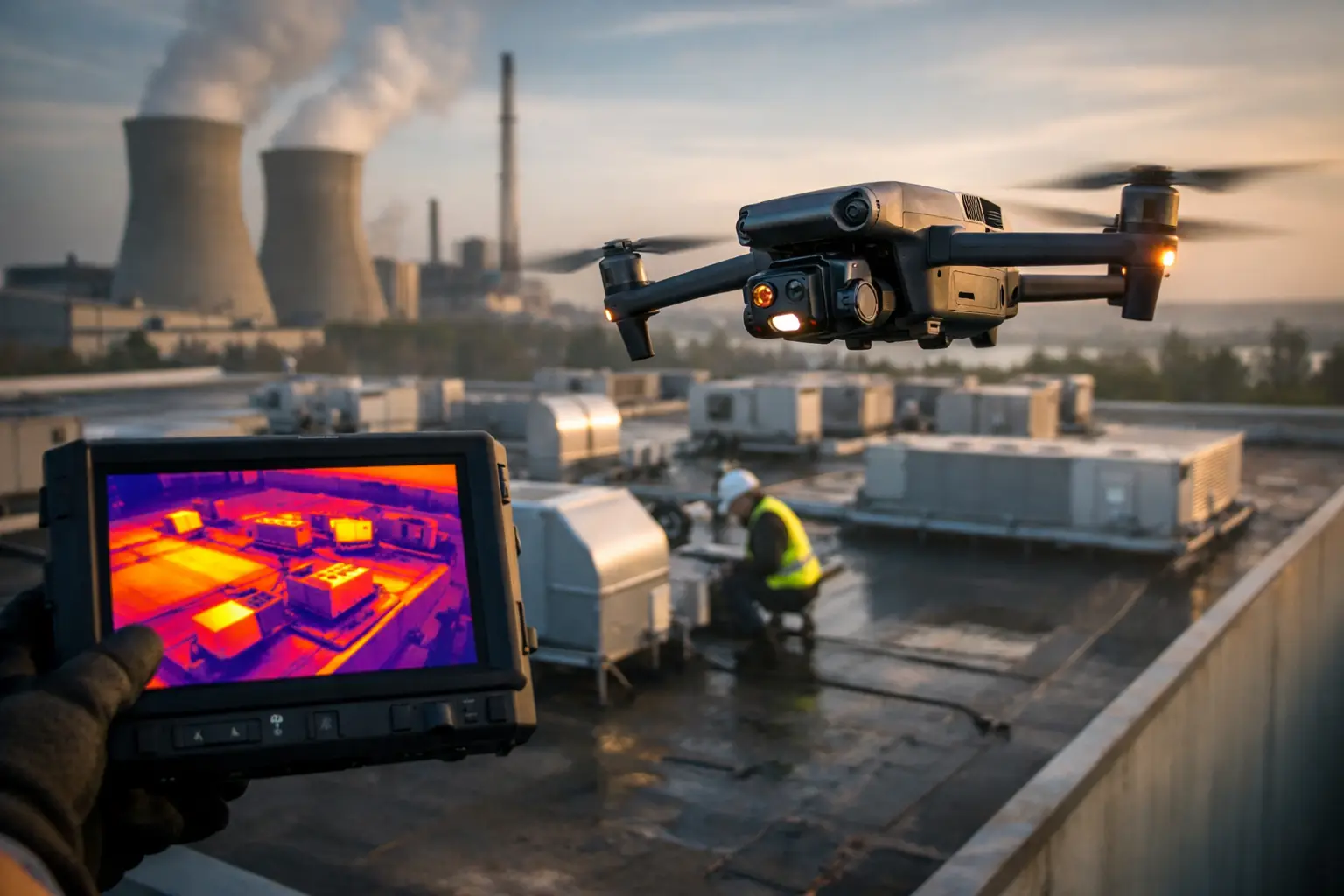
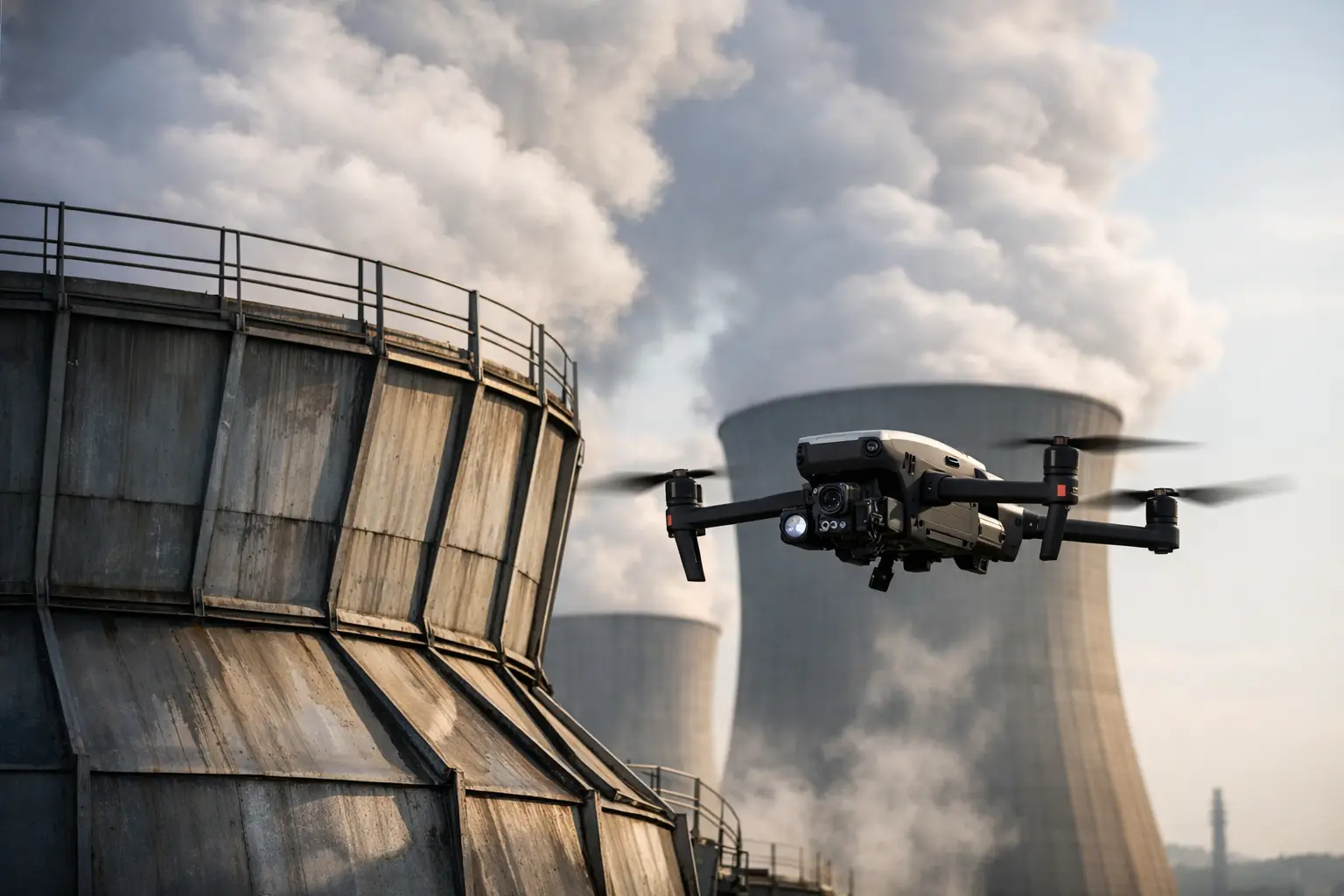
For commercial and industrial buyers, that distinction matters. A drone flight over a distribution yard, transmission corridor, cooling tower, or multi-phase construction site carries different stakes than a simple real estate shoot. The right provider is not just there to capture images. They are there to support inspections, mapping, documentation, claims, and project decisions with disciplined field execution.
What an insured drone service provider actually brings to the job
At the basic level, an insured drone service provider carries professional coverage that helps protect against risk during operations. That matters if you are a construction manager, facility operator, utility team, or insurance professional responsible for high-value property and active environments. It shows the provider is operating as a legitimate business and understands the standard of care expected on serious projects.
But insurance alone is not enough. Coverage should sit alongside FAA Part 107 certification, documented operating procedures, airspace awareness, and a clear understanding of the site environment. If a provider has insurance but no experience working around industrial assets, elevated structures, restricted work zones, or post-loss conditions, the coverage does not fix the larger problem. It only limits part of the financial exposure.
That is why experienced buyers look at the full operating profile. They want to know whether the provider can plan the mission, coordinate with site contacts, manage hazards, and deliver usable data without disrupting ongoing work.
Why insurance matters more in commercial and industrial operations
On a residential or low-risk assignment, drone insurance may feel routine. On a large commercial site or critical infrastructure asset, it becomes far more relevant. The assets are more expensive, the environment is more complex, and the downstream impact of a mistake can be much higher.
Consider a few common scenarios. A construction team may need recurring progress documentation over active equipment, trades, and changing site conditions. A utility or telecom operator may need imagery of elevated assets where access is difficult and field conditions can shift quickly. An insurance carrier may need catastrophe documentation fast, while the property is still unstable or partially inaccessible. In each case, the provider is not just flying a drone. They are entering an operational environment with real liability considerations.
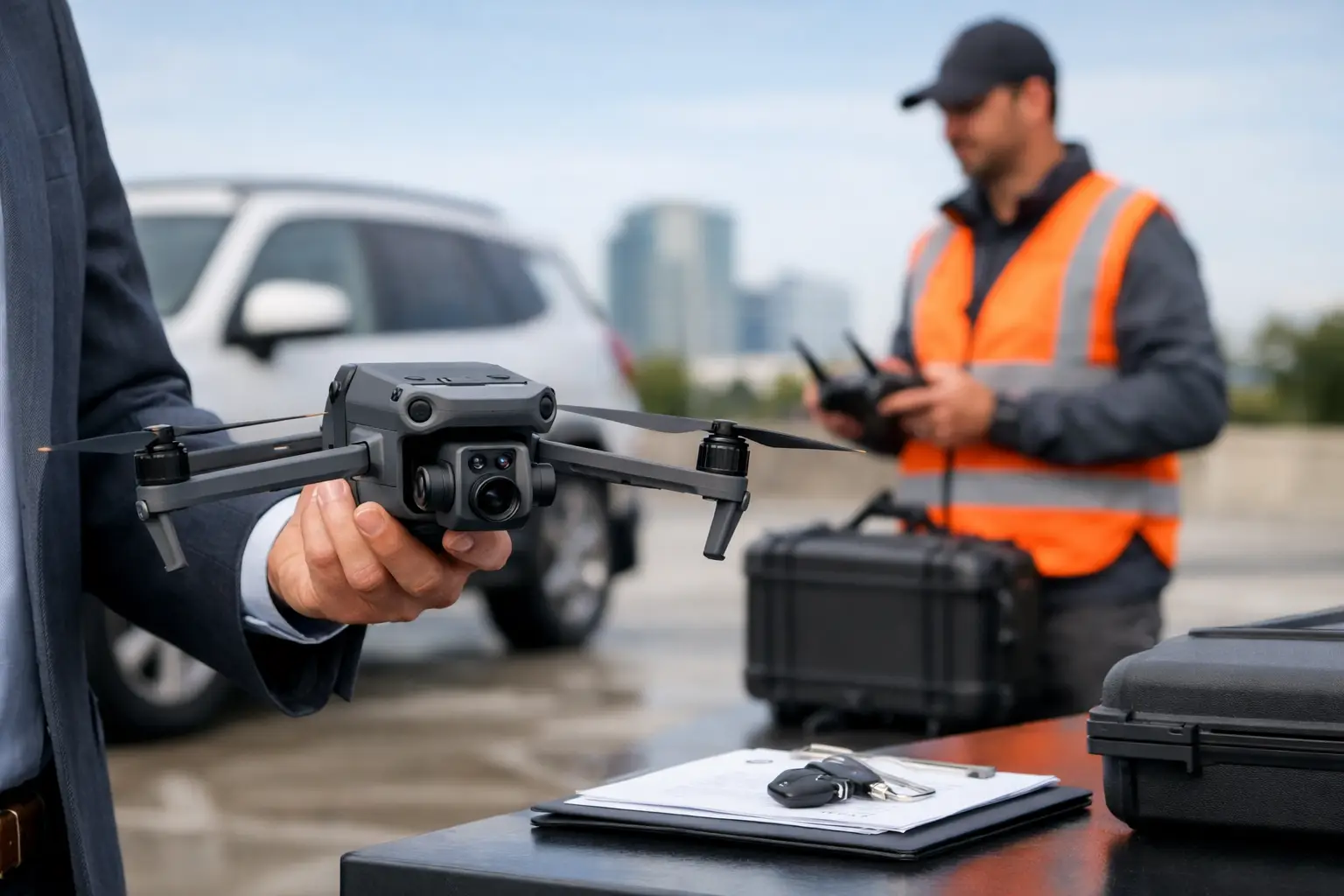
Insurance helps support that work, but it also signals professionalism to your internal stakeholders. Procurement teams, legal departments, risk managers, and site leadership often need proof that a vendor can meet compliance expectations before any mobilization happens. If a drone provider cannot produce that documentation quickly and clearly, it usually points to a broader readiness issue.
How to evaluate an insured drone service provider
The best way to vet a provider is to look beyond the phrase itself. Many companies say they are insured. Fewer can explain what that means in practical terms for your operation.
Ask what coverage is in place
Start with the obvious question. Ask what type of insurance the provider carries and whether it applies specifically to commercial drone operations. General business insurance is not the same as aviation-related coverage. You want confirmation that unmanned aircraft operations are actually contemplated in the policy.
If your site has higher exposure, ask whether policy limits align with the nature of the work. A simple roof documentation assignment and an inspection program around major industrial assets do not always carry the same risk profile. The right answer depends on the environment, the client requirements, and the scope of work.
Confirm FAA compliance and pilot credentials
Insurance should never be treated as a substitute for regulatory compliance. A qualified provider should be able to confirm FAA Part 107 certification and explain how they handle airspace checks, operational planning, and site coordination. This is especially important near controlled airspace, sensitive facilities, or areas with heavy operational activity.
A disciplined provider will also communicate what they can and cannot do. That is a good sign. Commercial buyers should be wary of any operator who sounds casual about approvals, flight restrictions, or site safety protocols.
Look at field experience, not just flight hours
A provider may have plenty of drone time and still be a poor fit for industrial or infrastructure work. Experience matters most when it matches the mission. Capturing footage is not the same as documenting a storm-damaged commercial property, building an orthomosaic of an active site, or collecting imagery that supports engineering review.
Ask where they have worked and what kinds of deliverables they routinely provide. High-resolution visual documentation, thermal imagery, 3D models, progress reports, and inspection support all require different workflows. You are not just hiring a pilot. You are hiring a field operator who needs to produce data your team can actually use.
Review how they manage the site environment
Commercial drone work should fit into the job, not interfere with it. The provider should be able to explain how they coordinate with site contacts, identify hazards, maintain separation from people and equipment, and adapt if conditions change. That matters on construction sites, industrial facilities, utility corridors, and disaster-response deployments where timing and coordination are critical.
An insured drone service provider that is truly prepared will talk in operational terms. They will ask about access, work windows, active hazards, staging areas, and deliverables. That kind of conversation usually tells you more than a generic sales pitch.
Red flags buyers should not ignore
Some warning signs appear early. If a provider cannot produce proof of insurance, cannot explain the scope of coverage, or avoids questions about compliance, move on. The same applies if they focus only on getting dramatic aerial visuals while showing little understanding of documentation standards, safety expectations, or industrial workflows.
Another common issue is vague deliverables. Commercial clients need more than “photos and video.” They may need timestamped documentation, mapped site overviews, thermal scans, progress tracking, or imagery organized around specific assets. If the provider cannot define what you will receive and how it supports your use case, insurance will not make the engagement more valuable.
Price can also be misleading. A lower quote may come from a provider with limited coverage, weak planning, or no real experience in complex environments. That does not automatically mean the highest-priced option is best. It does mean that cost should be weighed against readiness, data quality, responsiveness, and risk control.
When insurance is part of a bigger trust decision
For many organizations, hiring a drone company is really a trust decision. You are allowing an outside team to operate near your people, property, projects, and schedules. You need to know they can show up prepared, work professionally, and deliver accurate documentation without creating extra problems.
That is especially true in high-consequence environments. Infrastructure owners, engineering teams, insurers, and industrial operators are not looking for novelty. They are looking for a dependable service partner that can reduce manual exposure, speed up data collection, and support informed decisions.
In those settings, insurance is one of several indicators that a provider takes the work seriously. It belongs with certification, planning discipline, communication, and relevant field experience. One without the others is not enough.
Choosing the right fit for your operation
The strongest provider for your project will usually be the one that understands the job behind the flight. If you need recurring construction documentation, they should understand schedule-driven reporting. If you need utility or telecom inspection support, they should understand asset-focused imagery and difficult access conditions. If you need catastrophe response, they should understand urgency, documentation standards, and unstable environments.
That is where a field-tested company separates itself. Air Reel Technologies, for example, operates with that commercial and industrial mindset, supporting demanding environments where safety, compliance, and usable aerial data matter more than generic footage. That is the standard serious buyers should expect from any partner they bring onto a site.
Before you hire, ask for proof, ask practical questions, and listen closely to how the provider talks about risk. The right answer is rarely the flashiest one. It is the one that shows they are prepared to do the work the right way, under the conditions your operation actually faces.
A capable drone partner should make your team more informed and less exposed, not leave you guessing about what happens after takeoff.